Raised Bed Soil Calculator 2026: Cubic Feet, Bags and Cost
A 4 by 8 bed filled 12 inches deep takes 32 cubic feet of soil. Here is the math for any bed, plus what bagged and bulk soil really cost.
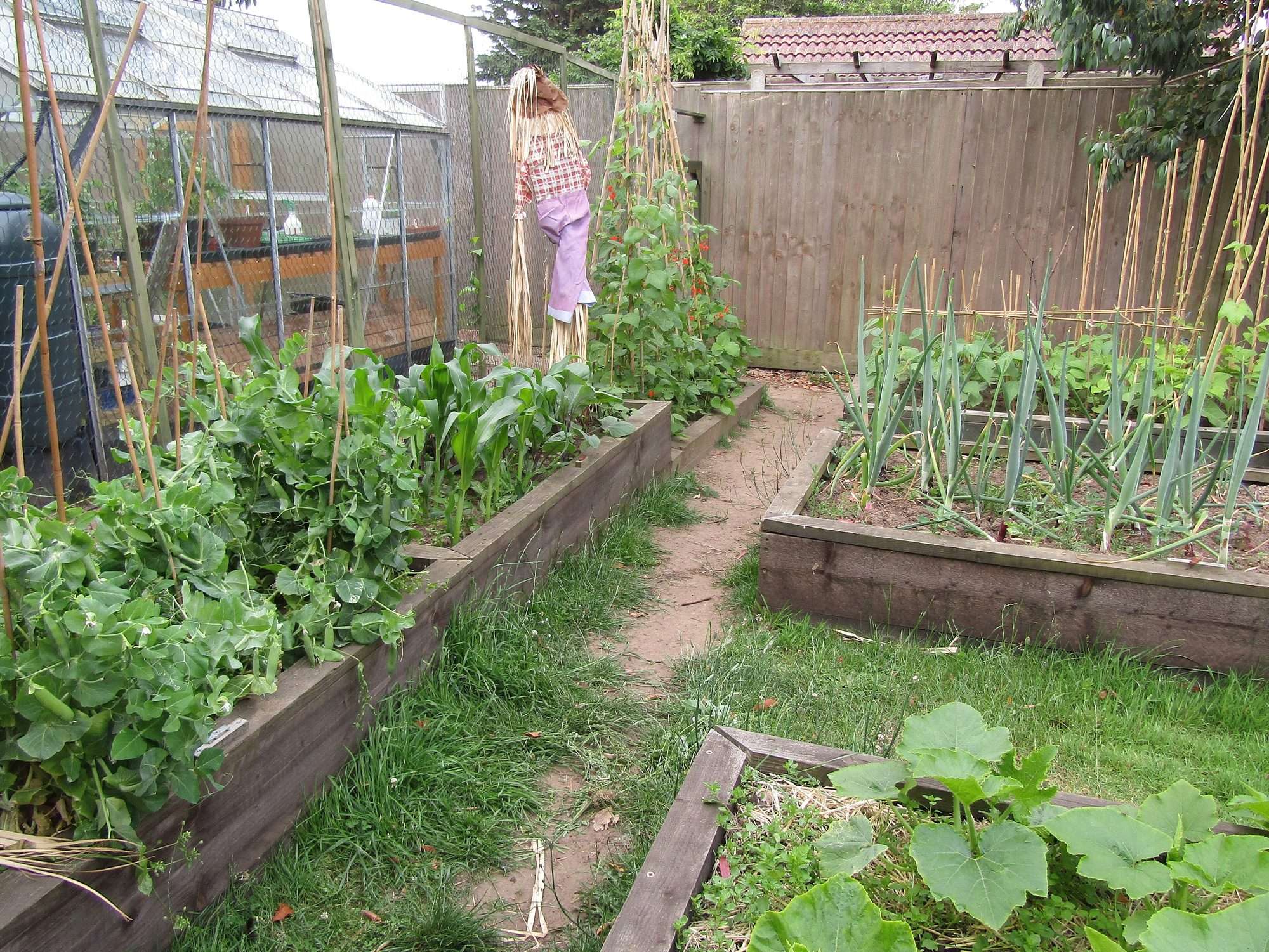
Picture: Kolforn, CC BY-SA 4.0
The garden journal · November 2026
Garden Tips & SecretsVegetable gardening by the calendar, the tape measure and the extension office.
Notes by the gardeners' desk ·
The best soil for raised garden beds is mostly real soil. That sounds obvious, but most bags labeled “raised bed soil” or “garden soil” contain little or no mineral soil at all. University extension services keep seeing the same result: beds that sink, plants that yellow and harvests that fade after a few years.
This guide compares what extension services recommend, explains when each mix fits, and shows how to read a bag label before you buy.
The best soil for raised garden beds is about 70% real topsoil and 30% compost, as UNH and Iowa State Extension recommend. Rutgers says to use your existing mineral soil wherever you can. Avoid filling vegetable beds with potting soil or peat-based bags alone. They break down and sink, then run short on nutrients within a few years.
Iowa State University Extension refreshed its raised bed soil FAQ in April 2026. It still recommends either 70% topsoil with 30% compost, or equal parts topsoil, organic matter and coarse sand.
In March 2026, a UNH Extension volunteer answered a gardener with four 4 by 8 beds through Ask Extension. The advice: buy topsoil and compost in bulk, keep organic matter under 50%, and aim for compost at 10 to 20% of the volume.
The University of Maryland Extension’s raised bed page, updated in late 2024, remains the most detailed. It sorts advice into four scenarios based on what is under your bed.
Rutgers Cooperative Extension makes the strongest case. Its soil lab says the most common raised bed question it gets is about soil quality. Its answer is to start with mineral soil, made of sand and silt plus clay, and add a modest amount of compost.
Mineral soil holds its volume after the first settling. It drains well, holds air, and keeps nutrients in reach of plant roots. Rutgers says most food crops evolved in mineral soil, which slowly releases nutrients as minerals weather.
Bagged growing media work differently. They are mostly peat moss or bark, plus compost. Rutgers lists several long-term problems when they are used alone:
Sphagnum peat and wood chips hold their shape longer than compost, Rutgers notes. But they feed plants poorly and still need complete fertilizer.
There is no single best soil for raised garden beds. The right fill depends on what is under the bed and how deep it is. The University of Maryland Extension sorts this into four cases. Rutgers adds a fifth.
| Your situation | Recommended fill | Source |
|---|---|---|
| Bed over lawn or weeds | Smother turf with cardboard and 2 to 4 inches of compost, then add soil | UMD |
| Bed over compacted clay | Loosen with a fork, then add compost and topsoil at 1:2 or 1:1 | UMD |
| Bed in an existing garden | Mix 2 to 4 inches of compost into the top 4 inches of soil | UMD |
| Bed on a driveway or patio | Compost and soilless mix at 1:1; topsoil up to 20% in beds 16 inches or deeper | UMD |
| Bed over contaminated soil | A root barrier, then at least 12 inches of imported topsoil | Rutgers |
For a standard bed on open ground, two recipes for the best soil for raised garden beds come up again and again:
Iowa State adds a key step. Mix the first few inches of new soil into your existing soil before filling the rest. Distinct layers slow water and discourage roots.
Here is a detail that confuses many gardeners. Extension advice on organic matter looks contradictory until you notice the units.
| Source | Organic matter advice | Measured by |
|---|---|---|
| UMD Extension | 25% to 50% (equal to 5% to 15% by weight) | Volume |
| UNH Extension | No more than 50%; compost 10% to 20% | Volume |
| Rutgers | 3% to 5% is high for native soil; over 10% not recommended | Weight |
| Penn State Extension | Less than 10% soil organic matter | Weight (lab test) |
Compost is light and fluffy. So a mix that is one third compost by volume can still test near the low teens by weight. UMD spells this out: 25 to 50% by volume equals about 5 to 15% by weight on a lab report.
The practical rule for the best soil for raised garden beds is simple. Measure your mix by volume when you buy, and keep compost to a third or less. Then let a soil test confirm where you landed.
Bag names do not tell you much when you shop for the best soil for raised garden beds. Rutgers says products called Potting Soil, Container Mix, Garden Soil, Topsoil or Humus rarely contain any mineral soil. Check the ingredient list instead.
The University of Saskatchewan goes further. It says bagged soils, even ones labeled topsoil, are usually peat based with no mineral content. That makes them unsuitable for long-term use in a raised bed.
Its test takes a minute. Put a scoop of the product in a jar of water and shake it. If it sinks, it is probably soil. If it floats, it is mostly organic material.
Bagged mixes have their place. USask recommends them for containers, where garden soil compacts. They just do not belong as the whole fill of a permanent raised bed.
We read gardener threads on Reddit and Houzz for repeated problems, then matched them to extension findings.
Beds that sink. A Reddit gardener filled the bottom of a bed with sticks and leaves. A year later the soil sat 10 to 12 inches below the top. Rutgers explains why: organic matter loses its structure as it breaks down. Penn State adds that fresh raked leaves should not go straight into raised beds.
Yellow, stunted plants in new bags. A Houzz gardener filled a bed with Vigoro “Organic” Garden Soil and manure. The plants came up stunted and yellow. An experienced gardener explained that too much raw woody material ties up nitrogen. The suggested fix was alfalfa meal or blood meal.
Peat mixes in hot, humid climates. A Southeast US gardener on Reddit said most bagged mixes there were heavy on sphagnum peat and bark. Another commenter pointed to the cost gap: about $385 per cubic yard for bagged topsoil against $25 to $30 for bulk.
All three point the same way. Start with mineral soil and add compost in moderation. Buy in bulk where you can, and treat raw organic materials with care. Our raised bed soil calculator works out the volume and compares bagged and bulk costs.
A soil test is the step most gardeners skip. UMD says to test for pH and nutrients, plus lead if you will grow food. The ideal pH for most vegetables is 6.2 to 6.8, UMD says. Iowa State aims for about 6.0 to 6.5.
Do not grow vegetables in soil with total lead above 400 ppm, UMD warns. In that case, follow Rutgers and build over a root barrier with at least 12 inches of clean topsoil.
Test again a year later, UMD advises, once the mix has settled and reacted. Then top up with compost each season to keep organic matter steady and the soil healthy. Dig as little as you can, too. UMD notes that every soil disturbance brings weed seeds to the surface, where they sprout. The University of Delaware Cooperative Extension also suggests building beds in fall or early winter so the soil settles before spring planting.
For timing once your bed is ready, see our vegetable planting calendar.
The best soil for raised garden beds is real mineral topsoil with about a third compost by volume. Use your existing soil where you can, mix the layers, and test before you plant. Save bagged mixes for containers. If a bag floats in water, it is not the soil your vegetables need.
For most beds on open ground, use about 70% topsoil and 30% compost, as UNH and Iowa State advise. Iowa State also lists equal parts topsoil, organic matter and coarse sand. Mix the first few inches into your existing soil so there is no sharp layer.
Not as the whole fill. The University of Saskatchewan says potting soil is not soil and should not fill raised beds. Rutgers says organic growing media alone tend to shrink and lose fertility within a few years. UMD does use soilless mix with compost for shallow beds on pavement.
Yes, and Rutgers recommends it. Native mineral soil holds its volume and supplies nutrients as it weathers. Loosen it, mix in compost and add imported topsoil to reach the depth you need. Test it first, and skip this if the soil has more than 400 ppm lead.
It can work for one small bed, but check the label. Rutgers says bagged products rarely contain mineral soil. Many are mostly peat and bark with some compost, which shrink over time. For several beds, bulk topsoil and compost cost far less and hold their level better.
Use the jar test from the University of Saskatchewan. Put some in a jar of water and shake it. Real soil sinks to the bottom. Peat and bark float. Also read the ingredient list, since names like "garden soil" and "topsoil" are not regulated.
A 4 by 8 bed filled 12 inches deep takes 32 cubic feet of soil. Here is the math for any bed, plus what bagged and bulk soil really cost.
Picture: Kolforn, CC BY-SA 4.0