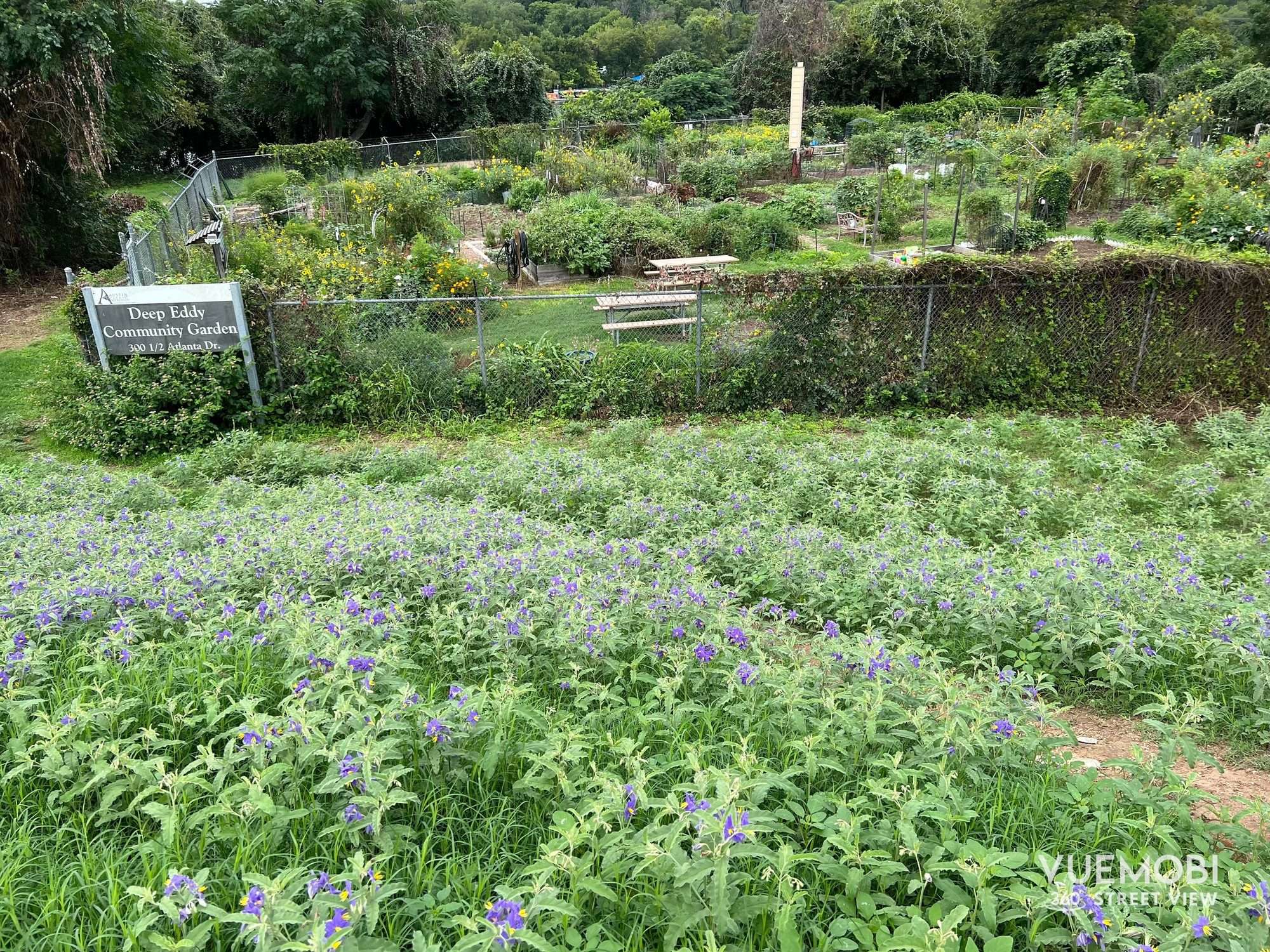
Texas Vegetable Planting Calendar 2026: Dates by Region
Texas A&M splits the state into five planting regions. Potatoes go in as early as January in the south and mid-March in the Panhandle.
Picture: Vuemobi Media, CC BY-SA 4.0
The garden journal · November 2026
Garden Tips & SecretsVegetable gardening by the calendar, the tape measure and the extension office.
Notes by the gardeners' desk ·
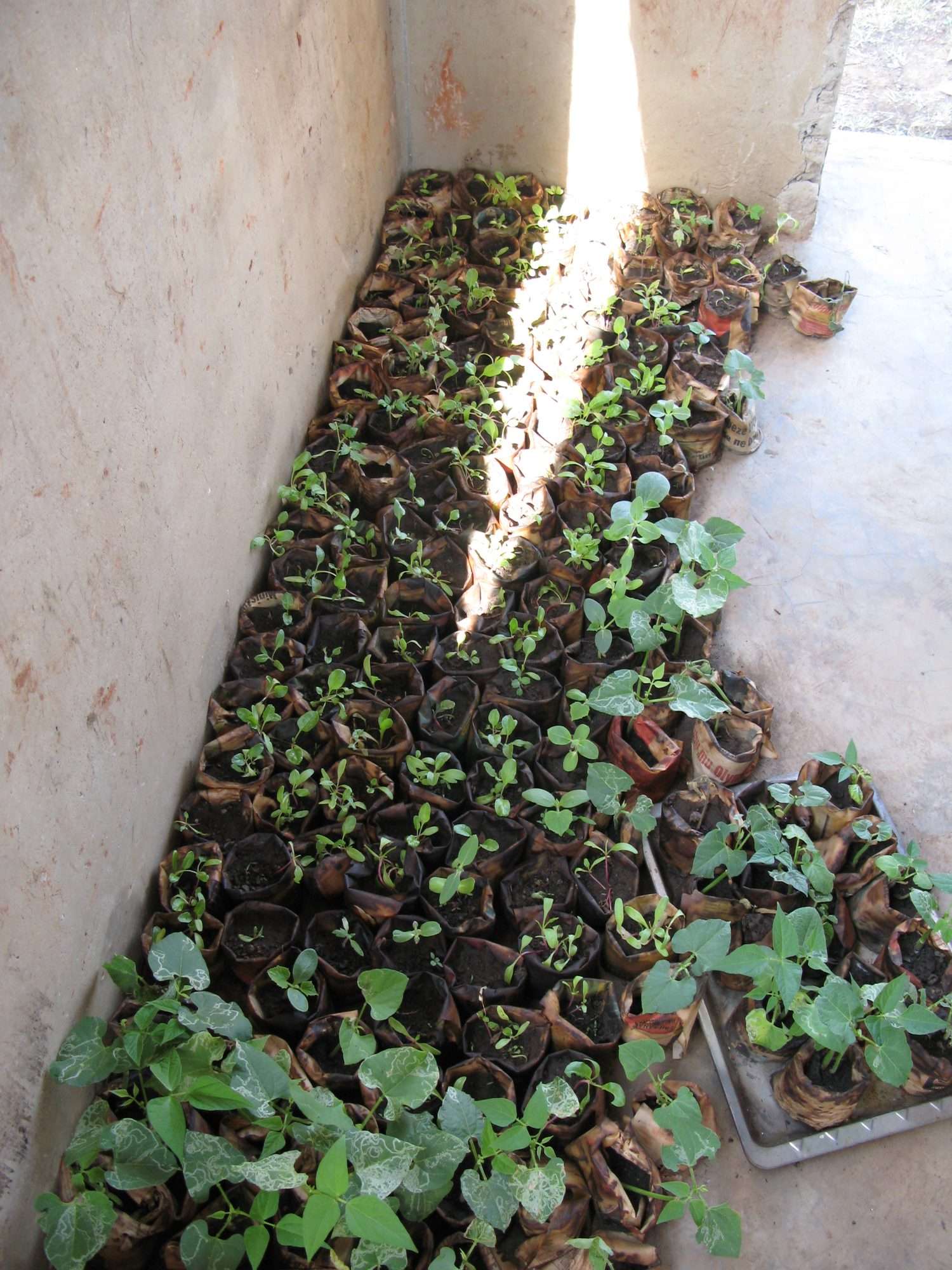
A vegetable planting calendar only works if it starts from your own frost dates. Most charts online assume one last frost for a whole region. Yours might be a month earlier or later. This guide shows you how to count the weeks yourself, using the tables that university extension services publish.
Enter your dates in the calculator below and you get a vegetable planting calendar for 17 crops. Then use the tables to see where the experts agree, and where they do not.
Count every planting date from your average last spring frost and first fall frost. Hardy crops like peas and spinach go in 4 to 6 weeks before the last frost, Purdue Extension says. Tomatoes go out 1 to 2 weeks after it, and peppers about 2 weeks after. Fall crops go in 4 to 8 weeks before the first fall frost.
The USDA Plant Hardiness Zone Map now comes in a newer edition that replaced the 2012 map. Many gardens shifted zones. That map tells you which perennials survive winter. It does not give frost dates, so it should not set your spring planting times.
The University of Maryland Extension also notes that frost-free seasons are getting longer. In Maryland, the frost-free stretch runs from 155 days in the far west to 230 days on the Lower Eastern Shore. The trend is longer seasons overall, which UMD links to climate change.
Texas A&M AgriLife Extension has also posted a new copy of its fall vegetable guide, EHT-056. It still splits Texas into five planting regions, from USDA zone 6 in the Panhandle to zone 9B in the south. Our Texas vegetable planting calendar lays out those regional dates.
Every date in a vegetable garden plan counts from two dates. The first is your average last spring frost. The second is your average first fall frost. The days between them make up your growing season.
Average is the key word. Purdue Extension maps spring frost dates with a 10% chance that frost still comes after the date. About two weeks earlier, that chance rises to 50%. So a date picked from a basic chart may be a coin flip.
Here is how to find yours:
Keep a log of your own yard, too. Low spots and open fields can frost later than a sheltered bed by the house. UMD says frost risk can vary within the same town because of wind and elevation. Nearby buildings and water matter too.
Type your last spring frost and first fall frost into the calculator. It counts the weeks for you. The default dates are April 15 and October 25, which UMD uses for central Maryland. That gives a 193-day growing season.
The calculator uses the University of New Hampshire Extension fact sheet for crops you start indoors. UNH lists two numbers per crop: weeks from seed to transplant, and when it is safe to set out. We count back from the earliest set-out week to get your seed-starting window. For crops you sow straight into the ground, we use Purdue’s crop groups. UNH gives a soil temperature instead of a week count for most of those.
With the default dates, here is how a few crops play out:
Cool-season crops handle cold and even frost. They grow best before summer heat sets in. Purdue Extension sorts them into two groups.
| Purdue group | When to plant | Crops |
|---|---|---|
| Hardy (takes a hard frost) | 4 to 6 weeks before last spring frost | Asparagus, broccoli, Brussels sprouts, cabbage, collards, kale, kohlrabi, leek, onion, peas, potato, radish, spinach, turnip |
| Semi-hardy (takes a light frost) | 2 to 4 weeks before last spring frost | Beet, carrot, cauliflower, celery, chard, Chinese cabbage, lettuce, parsnip |
Brussels sprouts sit in the hardy group, but they take a long season. Purdue says to transplant them by midsummer if you want a fall crop.
Washington State University Extension uses a similar split. Its “very hardy” crops go in 4 to 5 weeks before the frost-free date. Its “frost-tolerant” crops go in 2 to 3 weeks before. WSU adds that very hardy crops can be planted as soon as the ground can be worked.
Warm-season crops die in frost and sulk in cold soil. Planting them early rarely gains you anything. UMD warns that tomato and pepper roots will not grow well in cold soil. Basil reacts the same way.
| Purdue group | When to plant | Crops |
|---|---|---|
| Tender (damaged by frost) | After the average last spring frost, with air at least 50°F | Beans, sweet corn, tomato |
| Very tender (hurt by air below 50°F) | At least 2 weeks after the average last spring frost, with air at 60 to 65°F | Cucumber, eggplant, melons, okra, pepper, pumpkin, squash, sweet potato |
Winter squash, sweet potatoes and melons are the slowest to warm up. WSU puts them, along with peppers and eggplant, 1 to 2 weeks after the frost-free date. Colorado State University Extension says very tender crops go out about 2 or more weeks after the last frost. It adds that a week of days below 55°F can stunt them.
Here is a detail most vegetable planting calendar charts hide. Extension services do not all give the same advice for the same crop. They work in different climates and write for different gardeners. Before you trust one chart, it helps to see the spread.
| Crop | Purdue (Indiana) | UNH (New Hampshire) | CSU (Colorado) | WSU (Washington) |
|---|---|---|---|---|
| Potato | 4 to 6 weeks before | 1 to 2 weeks before | 0 to 2 weeks before | 4 to 5 weeks before |
| Lettuce | 2 to 4 weeks before | Set out 3 to 4 weeks before | 2 to 4 weeks before | 4 to 5 weeks before |
| Broccoli | 4 to 6 weeks before | Set out 2 to 4 weeks before | 2 to 4 weeks before | 4 to 5 weeks before |
| Tomato | After last frost | Set out 1 to 2 weeks after | 2 or more weeks after | On the frost-free date |
| Pepper | At least 2 weeks after | Set out 2 weeks after | 2 or more weeks after | 1 to 2 weeks after |
Potatoes show the widest gap. Purdue and WSU put them in the hardiest group. UNH and CSU are more careful. Both also tie potatoes to soil warmth. CSU lists 45°F as the minimum soil temperature for potatoes.
Tomatoes show a smaller gap. Purdue calls them tender, not very tender. UNH and CSU both wait a week or two after the frost date. Since a late frost kills tomatoes outright, the later date is the safer bet in most yards.
Our approach in the calculator follows UNH for transplants. It sits in the middle of the range. If your spring often turns cold late, move warm-season dates a week later.
Frost dates tell you about the air. Seeds care about the soil. Purdue says to wait on beans, tomatoes, squash, sweet potatoes and sweet corn until the soil is at least 60°F. If you plant into cold soil, seed rot and root rot are likely.
Colorado State University Extension gives a simple method. Push a soil thermometer about 4 inches deep. Read it early in the morning, when the soil is coldest. Check a few spots. CSU says tomato transplants like 60 to 65°F soil.
| Crop | Minimum soil temperature (Purdue) | Best range (Purdue) |
|---|---|---|
| Lettuce | 35°F | 40 to 80°F |
| Spinach | 35°F | 45 to 75°F |
| Pea | 40°F | 40 to 75°F |
| Carrot | 40°F | 45 to 85°F |
| Tomato | 50°F | 60 to 85°F |
| Bean | 60°F | 60 to 85°F |
| Cucumber | 60°F | 60 to 95°F |
| Pepper | 60°F | 65 to 95°F |
Raised beds help here. CSU notes that raised beds and plastic covers can warm soil sooner in spring. If you are building one, our raised bed soil calculator works out how much soil you need.
The fall half of your vegetable planting calendar counts backward from the first fall frost. Purdue says to plant cool-season crops at least 4 to 8 weeks before that date. Purdue’s fall list: beets, broccoli, cabbage, collards, kale, kohlrabi, lettuce, mustard, radish, spinach, turnip.
Pick the end of that window based on days to maturity. Purdue notes that crops planted after September 1 take longer to mature as days get shorter. It also warns that late-summer soil can be too dry for seeds, so plan to water often.
Cold weather can even help some crops. UMD says cold improves the flavor of kale and collards. Cabbage and turnip greens get better too. Gather tender crops like tomatoes and peppers before the first hard frost.
Garlic is the odd one out. You plant it in fall for a summer harvest. Our guide on when to plant garlic covers the timing.
Here is how the same vegetable planting calendar rules land in different parts of the country. Each line uses the frost dates an extension service gives for its own area.
| Area | Last spring frost | First fall frost | Source |
|---|---|---|---|
| Central Maryland | April 15 | October 25 | UMD Extension |
| Colorado Front Range | May 15 | October 15 | CSU Extension |
| Central New Hampshire | Memorial Day, a safe estimate | Not given | UNH Extension |
| WSU county example | May 1 to May 15 | Not given | WSU Extension |
Texas runs on a different clock. Texas A&M splits the state into five regions. Region I matches USDA zone 6, and Region V matches zone 9B.
In the far south, you can plant potatoes as early as January. In the Panhandle, you wait until mid-March. Our when to plant tomatoes and when to plant potatoes guides list the dates crop by crop.
A good vegetable planting calendar is yours, not a national one. Find your frost dates, then count the weeks. Hardy crops go in about a month before the last frost. Tomatoes and peppers wait until one to two weeks after it. Fall crops go in four to eight weeks before the first frost.
When charts disagree, check the soil. A cheap thermometer at 4 inches settles most timing questions. Then write your dates down. Adjust your vegetable planting calendar each year based on your own beds.
Look it up by zip code with the National Gardening Association, as the University of Maryland Extension suggests. For odds by date, try Purdue's Freeze Date Tool. Treat the result as an average. Purdue says frost still has a 50% chance about two weeks before its mapped dates, so keep frost cloth handy.
No. The USDA Plant Hardiness Zone Map is based on the average coldest winter night. It tells you which perennials will live through winter. It does not give frost dates. Two towns in the same zone can have last frosts weeks apart, so plan spring planting from frost dates instead.
The UNH Extension says tomatoes take 6 to 8 weeks from seed to transplant. It says to set them out 1 to 2 weeks after the last frost. So start seeds about 5 to 7 weeks before your last frost date. Then wait for soil near 60°F before planting out.
Hardy crops go first. Purdue puts peas and spinach in its hardy group, along with kale and cabbage. Broccoli and onions belong there too, plus radishes and potatoes. Plant those 4 to 6 weeks before the last spring frost. Semi-hardy crops such as lettuce and carrots follow at 2 to 4 weeks before. Beets and chard go then too. Wait on beans and other warm-season crops.
Purdue Extension says to plant cool-season crops 4 to 8 weeks before your first fall frost. Use the long end for slow crops like cabbage and broccoli. Use the short end for fast crops like radishes and spinach. Water often, since late-summer soil dries out fast.
Texas A&M splits the state into five planting regions. Potatoes go in as early as January in the south and mid-March in the Panhandle.
Picture: Vuemobi Media, CC BY-SA 4.0