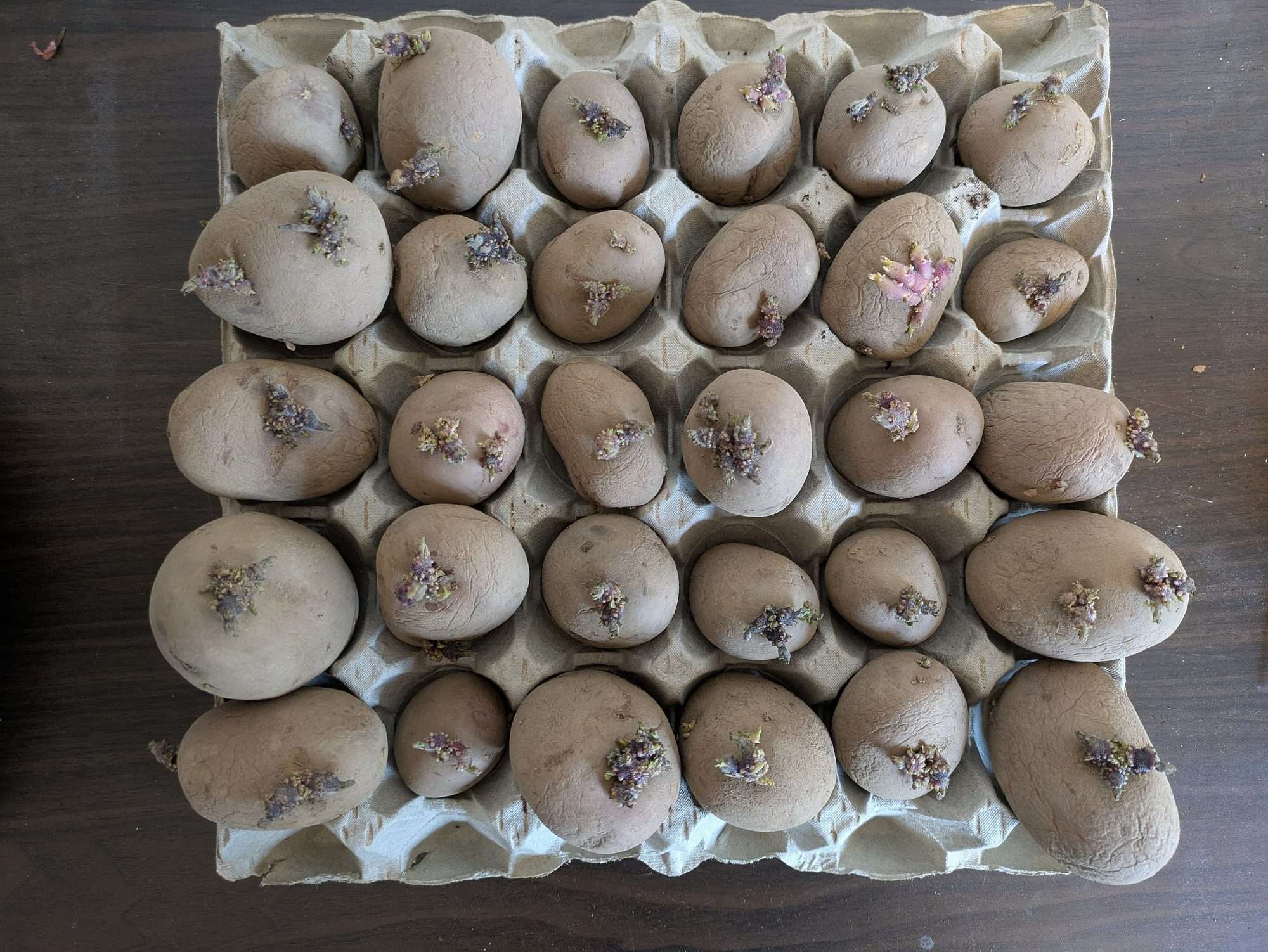
When to Plant Potatoes (2026): Soil Temps and Regional Dates
Plant seed potatoes when soil reaches 45°F, up to two weeks before your last frost. Here are spring and fall dates by region.
Picture: Kangarooth, CC BY-SA 4.0
The garden journal · November 2026
Garden Tips & SecretsVegetable gardening by the calendar, the tape measure and the extension office.
Notes by the gardeners' desk ·
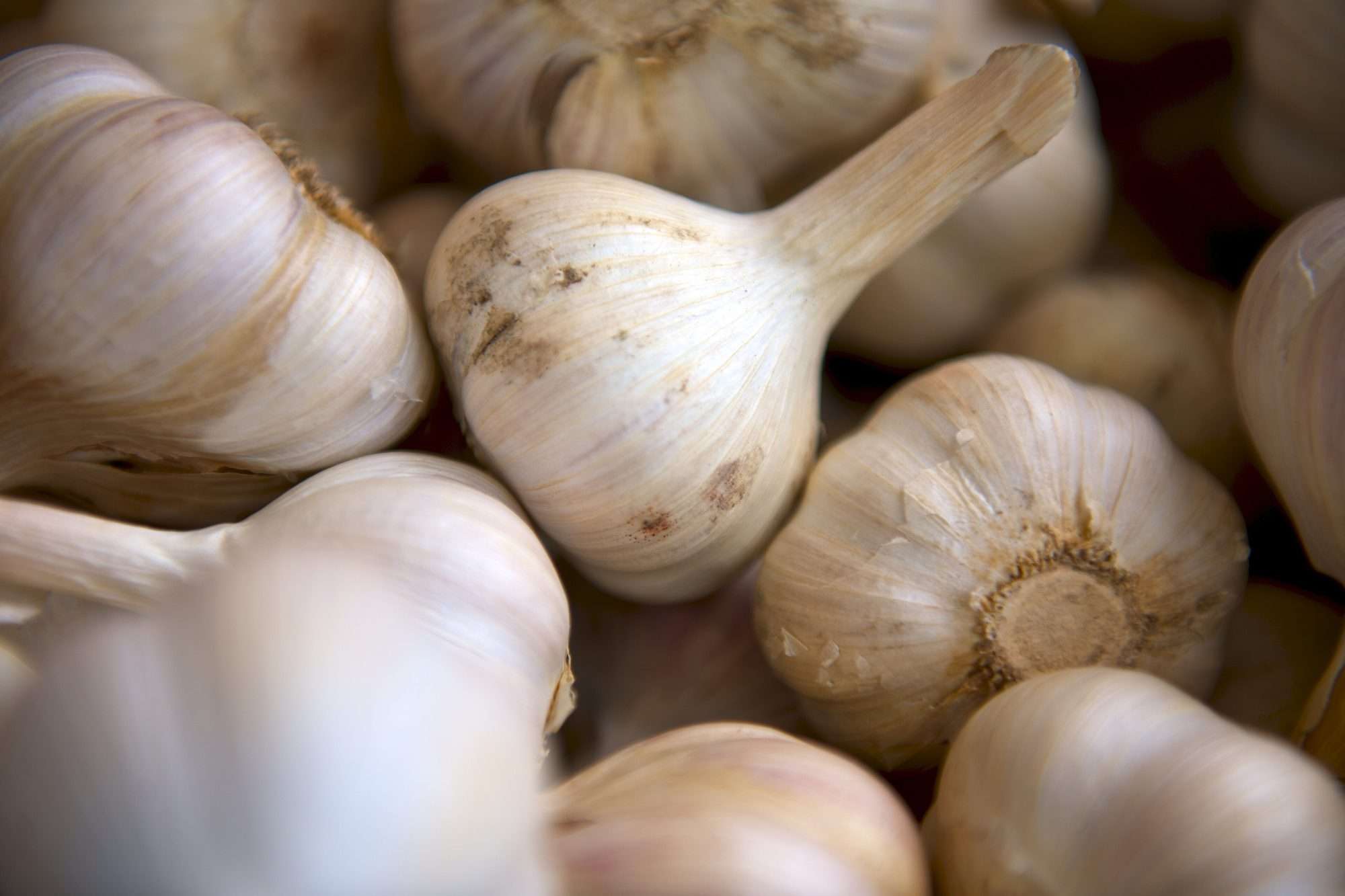
Most guides say when to plant garlic is “in fall.” That is true, but fall covers three months. Plant too early and the tops grow into winter damage. Plant too late and the roots never take hold. University extension services use five different rules to find the sweet spot, and each one fits a different kind of climate.
This guide compares those rules, gives dates by region, including Texas, and shows how much seed garlic a bed takes.
Plant garlic in fall when soil at 4 inches cools to about 50°F. In cold climates that is usually 1 to 3 weeks after the first killing frost, or 6 to 8 weeks before the ground freezes. Cloves need 6 to 8 weeks below 40°F to form bulbs. In Texas, plant from October in Region III to December in Region V.
Illinois Extension published its 2026 garlic advice on October 30. It noted that the ground was freezing later than usual across the state, which pushed the planting window back.
Washington State University’s Yakima Master Gardeners also posted 2026 advice. In their area, the first hard frost below 28°F usually comes in mid to late October, so they plant from October 1 to November 15.
The takeaway for 2026 is to watch your soil, not the calendar. If fall stays warm, you can plant later than usual.
Every rule aims at the same target. Cloves should grow roots before the ground freezes, but not much top growth. Here is how each extension service puts it.
| Source | Rule | Best for |
|---|---|---|
| South Dakota State University | Soil at 50°F, 4 inches deep; about 2 to 3 weeks after the first frost | Any climate, if you own a soil thermometer |
| University of Minnesota | 1 to 2 weeks after the first killing frost | Cold-winter areas |
| Illinois Extension | 6 to 8 weeks before the ground freezes | Areas where soil freezes solid |
| Utah State University | Late September to November | Intermountain West |
| New Mexico State University | September to October in the north; October to November in the south | Mild-winter Southwest |
The soil temperature rule is the most precise. SDSU says planting too early makes the bulb more prone to winter damage. Planting too late leaves the roots no time to set. A soil thermometer at 4 inches settles it.
In the mid-Atlantic, the University of Maryland Extension lists October 15 to November 15 for fall planting. It also lists a spring window of March 15 to April 15.
Garlic needs winter to make a proper bulb. New Mexico State University says cloves need 6 to 8 weeks below 40°F after planting to form bulbs. That chilling process is called vernalization. The Royal Horticultural Society gives a similar range of one to two months at 32 to 50°F.
Illinois Extension adds that most varieties need this cold period for bulbs to divide into cloves. Without it, you may get a single round bulb with no cloves.
Fall planting gives garlic this chill for free. It also lets the plant grow roots before winter, then take off early in spring.
Your garlic type affects where it grows best. Illinois Extension says hardneck garlic is common across Illinois because it is cold-hardy. Hardnecks send up a flower stalk called a scape and store for a shorter time.
Softneck garlic grows more easily in southern Illinois and is what most grocery stores sell. It keeps longer and usually does not make a scape. The University of Minnesota lists Rocambole, Purple Stripe and Porcelain as common hardneck types.
Elephant garlic is not true garlic. UMN says it is a type of leek, part of the onion family. The University of Saskatchewan warns that it is more sensitive to cold.
Buy seed garlic from a garlic seed producer. UMN says to avoid planting grocery store garlic. It is mostly softneck and does poorly in Minnesota conditions. The RHS adds that supermarket garlic can bring in disease.
Break bulbs into individual cloves just before planting. NMSU says to plant cloves the same day you divide them. Set each clove with the pointed end up.
Depth and spacing vary a little by source:
A soil test before planting tells you what to add. Our guide on the best soil for raised garden beds covers mixes if you plant in a bed.
UMN says to cover beds with 3 to 4 inches of leaf or straw mulch. It evens out winter soil temperatures and holds back weeds. In colder areas, the Yakima Master Gardeners use 4 to 10 inches of straw mulch once the ground starts to freeze, so cloves do not heave. Pull it back in spring when shoots come up.
Each planted clove grows into one bulb, Utah State says. So the seed you need depends on how many cloves your variety has per pound. Use the calculator to plan a bed.
NMSU’s variety table shows the range. A pound of Carpathian, a rocambole hardneck, holds about 77 cloves. A pound of Asian Tempest holds just 27. On a 6-inch grid, a 4 by 8 bed takes 128 cloves. That is about 1.7 pounds of Carpathian or 4.7 pounds of Asian Tempest.
The return is good. If every clove makes an average bulb, that Carpathian bed yields up to about 13.2 pounds, close to 8 times the seed weight. German Red comes in near 9.6 times, and Asian Tempest about 6.
Texas A&M AgriLife Extension splits Texas into five regions. Its fall guide lists a month to plant garlic cloves in each.
| Texas region | USDA zone | Fall planting | Spring planting |
|---|---|---|---|
| Region I | Zone 6 | July | Jan 1 to Jan 15 |
| Region II | Zone 7 | August | Not recommended |
| Region III | Zone 8 | October | Not recommended |
| Region IV | Zone 9A | November | Not recommended |
| Region V | Zone 9B | December | Not recommended |
Warm Texas winters may not give full chilling in the south. Pick softneck types there, since Illinois Extension notes they grow more easily in warmer areas. Our Texas vegetable planting calendar has every other crop by region.
Fall planting means a summer harvest. UMN says to harvest garlic between late June and late July, depending on variety and climate. NMSU says leaves start to brown and tops fall over in June to early July, a sign the bulbs are mature. Stop watering then to avoid rot.
Cured garlic should store well. Utah State says to keep it cool (32 to 40°F) and dry. The University of Saskatchewan notes that garlic stored longer than 5 months may start to shrivel or sprout.
For the rest of your fall and spring crops, see our vegetable planting calendar.
The best answer to when to plant garlic is when your soil cools to about 50°F in fall. In cold areas that lands one to three weeks after the first killing frost. In mild areas it may be November or December. Give cloves six to eight weeks of cold, mulch them, and buy seed garlic suited to your climate.
October is the most common month in cold and mid climates. Utah State plants from late September to November, and UMD from October 15 to November 15. In the mild South, plant later. Texas A&M lists November for Region IV and December for Region V. Let soil cool to about 50°F first.
Yes, but bulbs are usually smaller. Utah State says spring plantings make small bulbs in Utah, so plant as soon as you can work the soil. The University of Saskatchewan notes spring cloves miss the cold they need to divide. Fall planting is better whenever you can manage it.
Plant cloves 2 to 3 inches deep with the pointed end up, as UMN and Utah State advise. NMSU uses 1 to 3 inches and suggests going slightly deeper in cold areas for winter protection. Cover the bed with 3 to 4 inches of straw or leaf mulch.
It is not recommended. UMN says grocery store garlic is mostly softneck and does poorly in Minnesota. The Royal Horticultural Society warns it may not suit your climate and can bring in disease. Buy seed garlic from a garlic grower or garden supplier instead.
Texas A&M lists fall garlic in July for Region I, August for Region II, October for Region III, November for Region IV and December for Region V. Region I can also plant from January 1 to 15. Choose softneck types in the warmer south.
Plant seed potatoes when soil reaches 45°F, up to two weeks before your last frost. Here are spring and fall dates by region.
Picture: Kangarooth, CC BY-SA 4.0
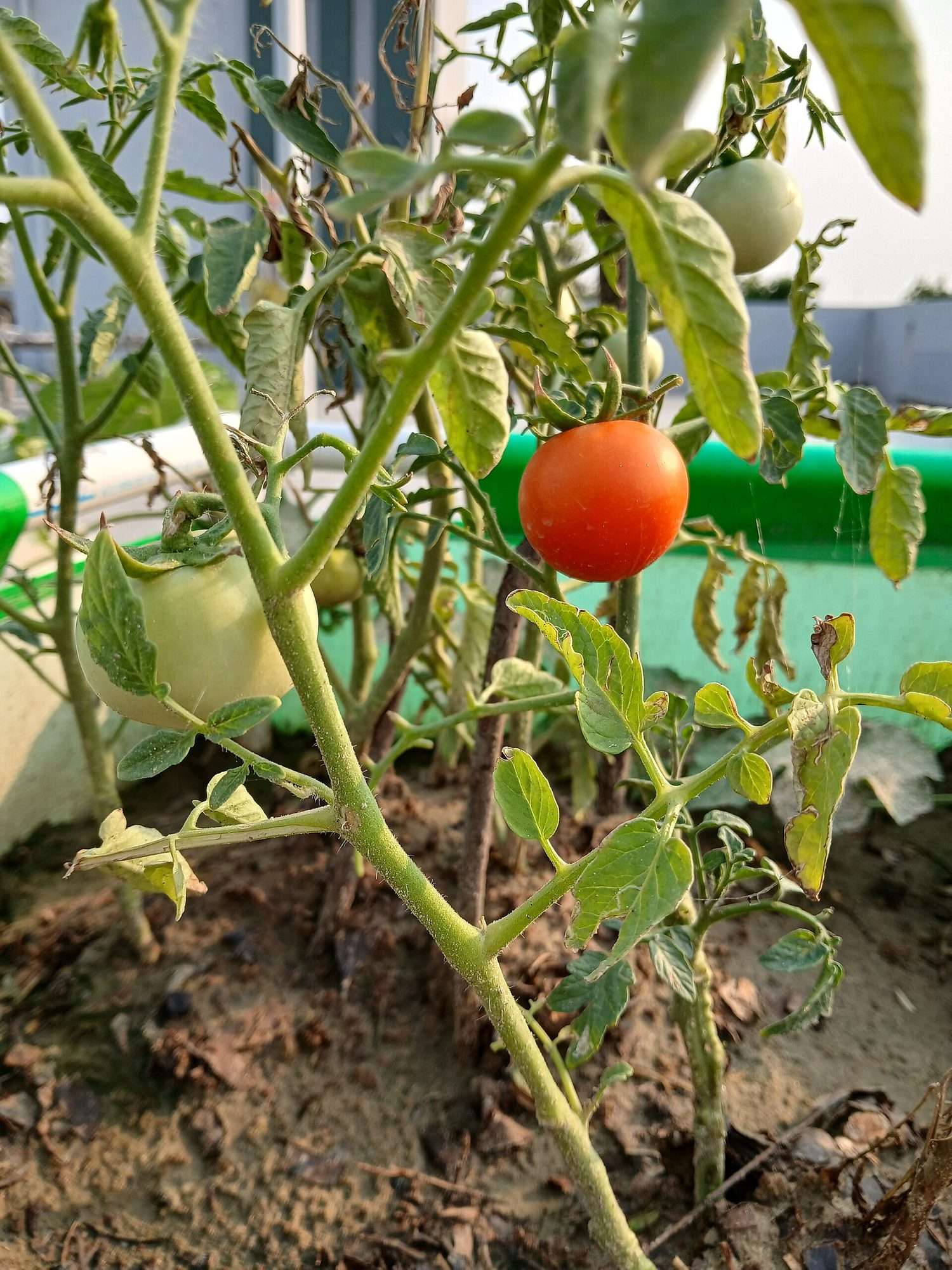
Tomatoes go out 1 to 2 weeks after your last frost, once soil reaches about 60°F. Here are the dates by region, including all of Texas.
Picture: Tulspal, CC BY-SA 4.0