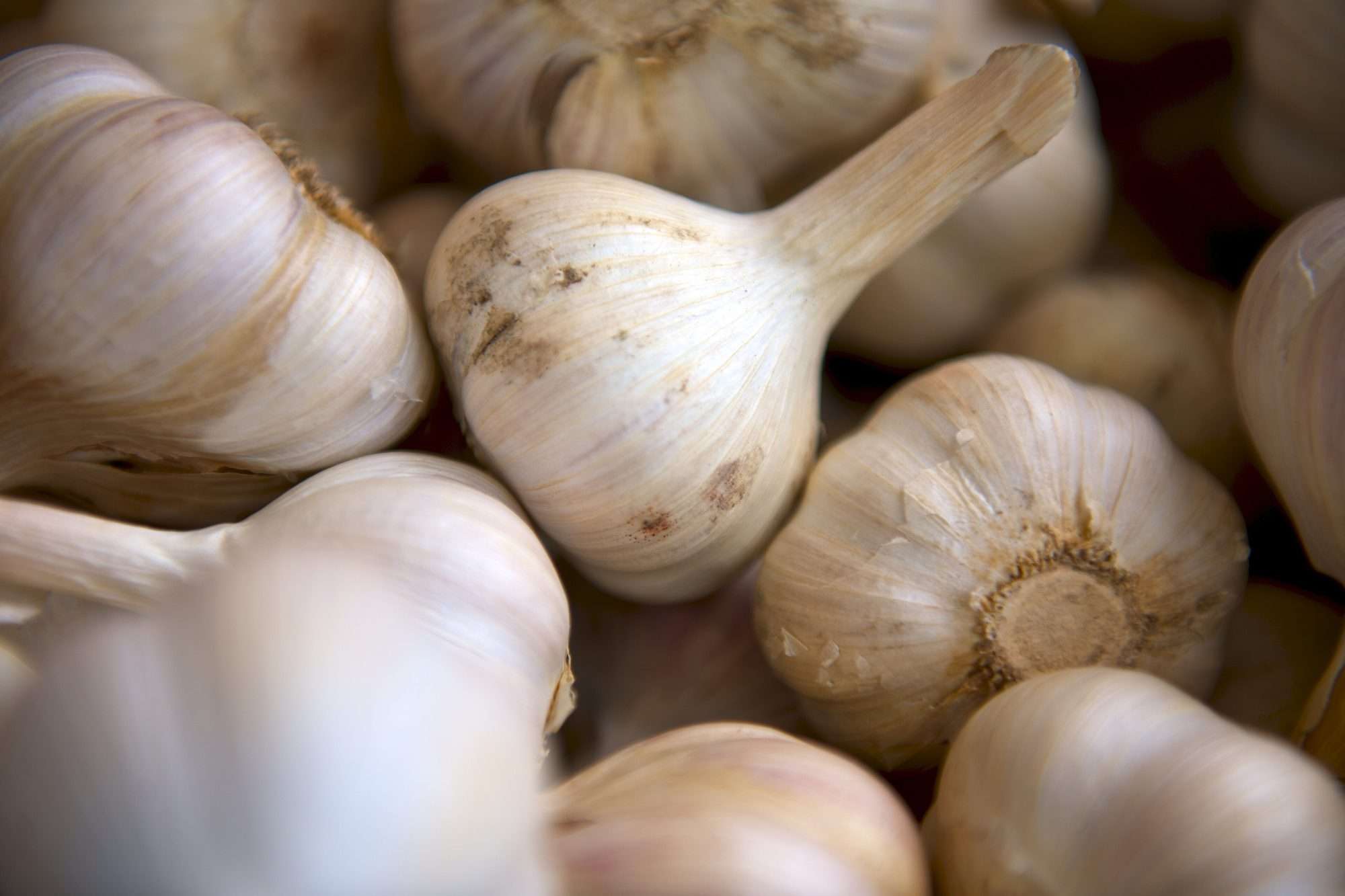
When to Plant Garlic in 2026: Fall Dates by Region
Plant garlic in fall when soil cools to about 50°F, so the cloves get the cold they need to form bulbs. Here are the dates by region.
The garden journal · November 2026
Garden Tips & SecretsVegetable gardening by the calendar, the tape measure and the extension office.
Notes by the gardeners' desk ·
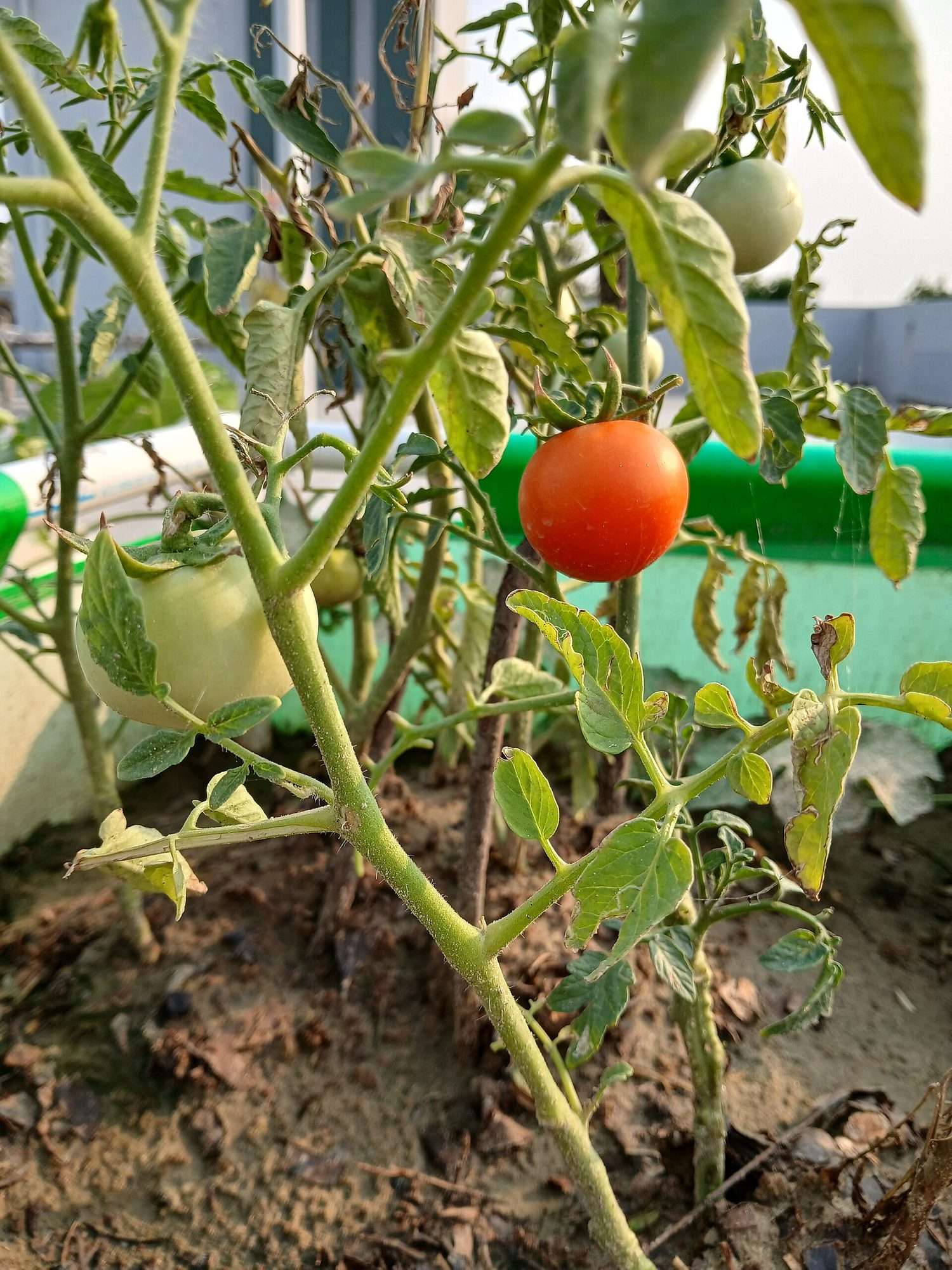
Knowing when to plant tomatoes comes down to three checks, not one date. The soil has to be warm. The nights have to stay mild. And the last frost has to be behind you. Miss any one of them and tomato plants stall, drop flowers or die.
This guide compares the numbers that five university extension services use. Then it turns them into dates for your garden, including spring and fall dates for every Texas region.
Plant tomatoes outside 1 to 2 weeks after your last frost, once soil at 4 inches reaches about 60°F and nights stay above 52°F. Start seeds indoors 6 to 8 weeks before that. In hot climates like Texas, plant again in summer for a fall crop, before the regional cutoff date.
The rules for when to plant tomatoes have not changed, but the maps behind them have. The USDA Plant Hardiness Zone Map now comes in a newer edition than the 2012 map, so many gardens moved a half zone. Zones track winter lows, though, not frost dates. They should not set your tomato planting time.
Texas A&M AgriLife Extension now hosts a newer copy of its Fall Vegetable Gardening Guide. It still lists fall tomato dates for all five Texas regions, plus a last good date for fall tomatoes in each.
The University of Maryland Extension also reports longer frost-free seasons in its state. If your spring warms earlier than it used to, use a soil thermometer to confirm it rather than planting by habit.
Extension services agree on the idea but not the exact numbers. Here is what each one says your garden needs at transplant time.
| Check | What the extension services say | Our pick |
|---|---|---|
| Soil temperature | Above 55°F (CSU growing guide); about 60°F (UNH); 60 to 65°F (CSU PlantTalk) | 60°F at 4 inches deep |
| Night air | Above 52°F (CSU); blossom drop below 55°F at night (Ohio State) | Nights above 52°F, ideally 55°F |
| Day air | Above 60°F at transplant (CSU); a week below 55°F stunts plants (CSU) | Days above 60°F |
| Frost | 1 to 2 weeks after the last frost (UNH); after the danger of frost (Ohio State) | 1 to 2 weeks after your average last frost |
| Hardening off | About 10 days (UNH); one week (Clemson); 1 to 2 weeks (SDSU) | 7 to 10 days |
The soil check is the one most gardeners skip. CSU says to read a soil thermometer about 4 inches deep, early in the morning when soil is coolest. If it reads below 55°F, wait.
Night lows matter more than day highs. Ohio State says tomatoes drop blossoms in early spring when days are warm but nights fall below 55°F. That means fewer fruit, even if the plant looks healthy.
Your average last frost date is the anchor. Use the calculator below to turn it into a seed-starting date, a set-out window and a last planting date for fall.
An average frost date is not a safe date. Ohio State says central Ohio’s typical planting date of May 20 still carries up to a 50% chance of frost. It adds that the odds drop about 10% for each week after. So two weeks after the average date, the risk falls to about 30% or less. That is why UNH and CSU both wait one to two weeks.
Here is how the timing plays out in different places, using each extension service’s own advice:
| Area | Typical tomato planting time | Source |
|---|---|---|
| New Hampshire | Memorial Day weekend; a week or two earlier in the south; mid-June in northern frost pockets | UNH Extension |
| Central Ohio | May 20; one to two weeks earlier in southern Ohio; one week later in northern Ohio | Ohio State Extension |
| Colorado Front Range | Late May | CSU Extension |
| Marin County, California | April to June, after danger of frost | UC Marin Master Gardeners |
| Texas | February 10 in Region V to June 1 in Region I | Texas A&M AgriLife |
Count back from your set-out date. UNH says tomatoes take 6 to 8 weeks from seed to transplant size. Clemson Extension gives the same 6 to 8 weeks before the last frost date.
UMass Extension says to look for plants with sturdy stems about as thick as a pencil and 4 to 6 true leaves. Clemson warns that low light makes tall, spindly plants. Add a grow light unless you have a sunny, south-facing window.
Before planting, harden plants off. UNH sets them outdoors for a few hours a day, about ten days before transplant. Bring them in on nights below 60°F. UNH says colder nights can cause chilling injury and misshapen early fruit, called catfacing.
You can beat the calendar a little, with help. CSU names two tools. A Wall-of-Water protects plants against mild frost. Black plastic mulch helps warm the soil.
South Dakota State University Extension says red or black plastic raises soil temperature. Lay it a few days before planting so the soil has time to warm. Ohio State adds a warning about organic mulch like straw. Put it down too early and it keeps the soil cool, which slows growth and cuts yield. Wait until the soil has warmed.
Plant deep. UC Marin Master Gardeners say to bury the stem up to where the top cluster of leaves begins, or about halfway. The small hairs on the stem can grow into roots. SDSU agrees that deep planting encourages extra roots.
In the hottest parts of the country, summer heat is the problem, not frost. Ohio State says blossom drop happens in summer too, when days run above 90°F and nights stay above 75°F. Flowers fall off before they set fruit.
So hot-climate gardeners plant twice. They set out tomatoes in late winter or early spring, then again in midsummer for a fall crop. Texas is the clearest example. Texas A&M splits the state into five regions, each with its own windows.
| Texas region | Spring transplants | Fall planting | Last good fall date |
|---|---|---|---|
| Region I (zone 6) | May 10 to Jun 1 | Jun 1 | Jun 25 |
| Region II (zone 7) | Apr 10 to May 1 | Jun 15 | Jul 10 |
| Region III (zone 8) | Mar 15 to Apr 10 | Jul 1 | Jul 25 |
| Region IV (zone 9A) | Feb 20 to Mar 10 | Jul 10 | Aug 10 |
| Region V (zone 9B) | Feb 10 to Mar 10 | Aug 1 | Sep 1 |
The spring window is short. In Region III it lasts just 26 days, so have transplants ready. For the fall crop, Texas A&M says to buy the largest transplants you can find. Water new plants daily until they settle in. Our Texas vegetable planting calendar lists every crop by region.
Count back from your first fall frost. Take the days to maturity on the plant tag and add about two weeks of picking time. If today is earlier than that date, you still have time.
With a first frost of October 25, a 75-day variety needs to be in the ground by July 28. A 55-day variety buys you until August 17. Pick early, small-fruited types for late plantings.
Days to maturity matter for the spring crop too. A long-season beefsteak in a short northern growing season may not ripen before fall frost. In short seasons, UNH notes that growers in frost pockets may wait until mid-June to plant. Faster varieties make the most of that window.
Planting on the average frost date. Ohio State’s numbers show up to a 50% chance of frost on that day. Waiting one to two weeks cuts the risk and the soil is warmer.
Ignoring cold nights. A warm afternoon can hide a cold night. CSU wants nights above 52°F at transplant. Below 55°F, Ohio State says early blossoms drop.
Skipping the hardening off. Plants moved straight from a windowsill to the garden can suffer sun and wind damage. Give them a week or more.
Mulching cold soil. Straw on cold soil keeps it cold. Use black plastic early, then switch to organic mulch once the soil warms.
Planting fall tomatoes too late in the South. In Texas Region III, the last good fall date is July 25. Plants set out later may not ripen before cold weather.
For the full spring schedule of other crops, see our vegetable planting calendar.
The best answer to when to plant tomatoes is a checklist, not a date. Wait one to two weeks past your last frost. Confirm the soil is near 60°F and nights stay above 52°F. Start seeds six to eight weeks earlier and harden plants off for about a week.
In hot climates, plan two plantings and respect the fall cutoff. Get those right and the rest of the season is far easier.
Aim for about 60°F at 4 inches deep. UNH Extension uses 60°F, and CSU says tomato transplants prefer 60 to 65°F. CSU's growing guide sets 55°F as the minimum. Check early in the morning, when soil is coldest, and take readings in a few spots.
Start seeds 6 to 8 weeks before you plan to set plants out. UNH and Clemson both use 6 to 8 weeks. If you set out 1 to 2 weeks after your last frost, that puts seed starting about 5 to 7 weeks before the last frost date.
Maybe not. Take the variety's days to maturity, add about two weeks of picking time, and count back from your first fall frost. With an October 25 frost, a 75-day tomato can go in by July 28. In Texas, fall tomatoes go in from June to August by region.
CSU Extension wants nights above 52°F when you transplant. Ohio State says blossoms drop when nights fall below 55°F during warm spring days. UNH brings seedlings indoors on nights below 60°F while hardening off, to avoid chilling injury and catfacing on early fruit.
Only with protection. CSU says a Wall-of-Water guards against mild frost, and black plastic mulch warms the soil. Without protection, wait one to two weeks after the last frost. Ohio State notes a frost is still possible on the average date.
Plant garlic in fall when soil cools to about 50°F, so the cloves get the cold they need to form bulbs. Here are the dates by region.
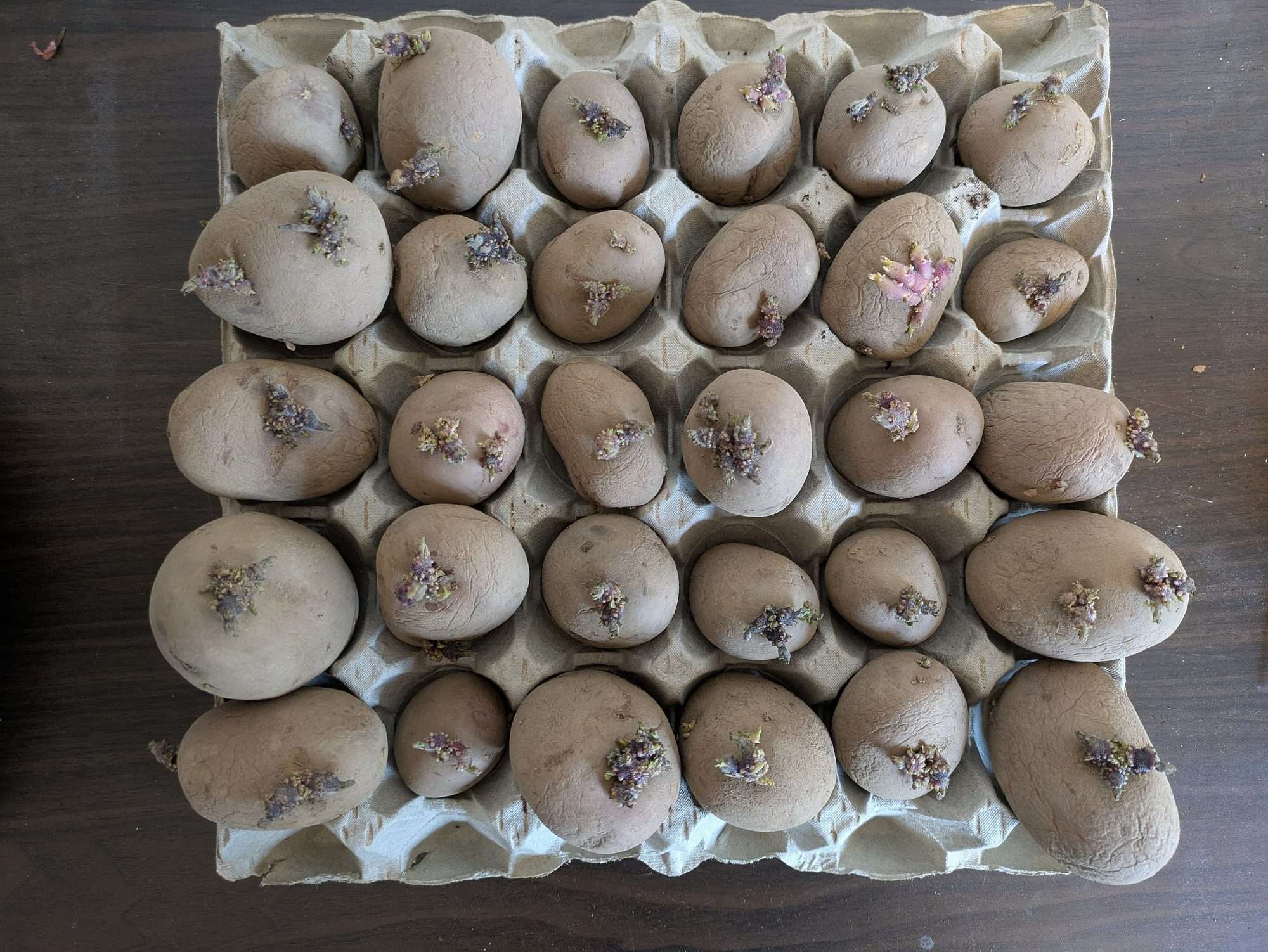
Plant seed potatoes when soil reaches 45°F, up to two weeks before your last frost. Here are spring and fall dates by region.
Picture: Kangarooth, CC BY-SA 4.0